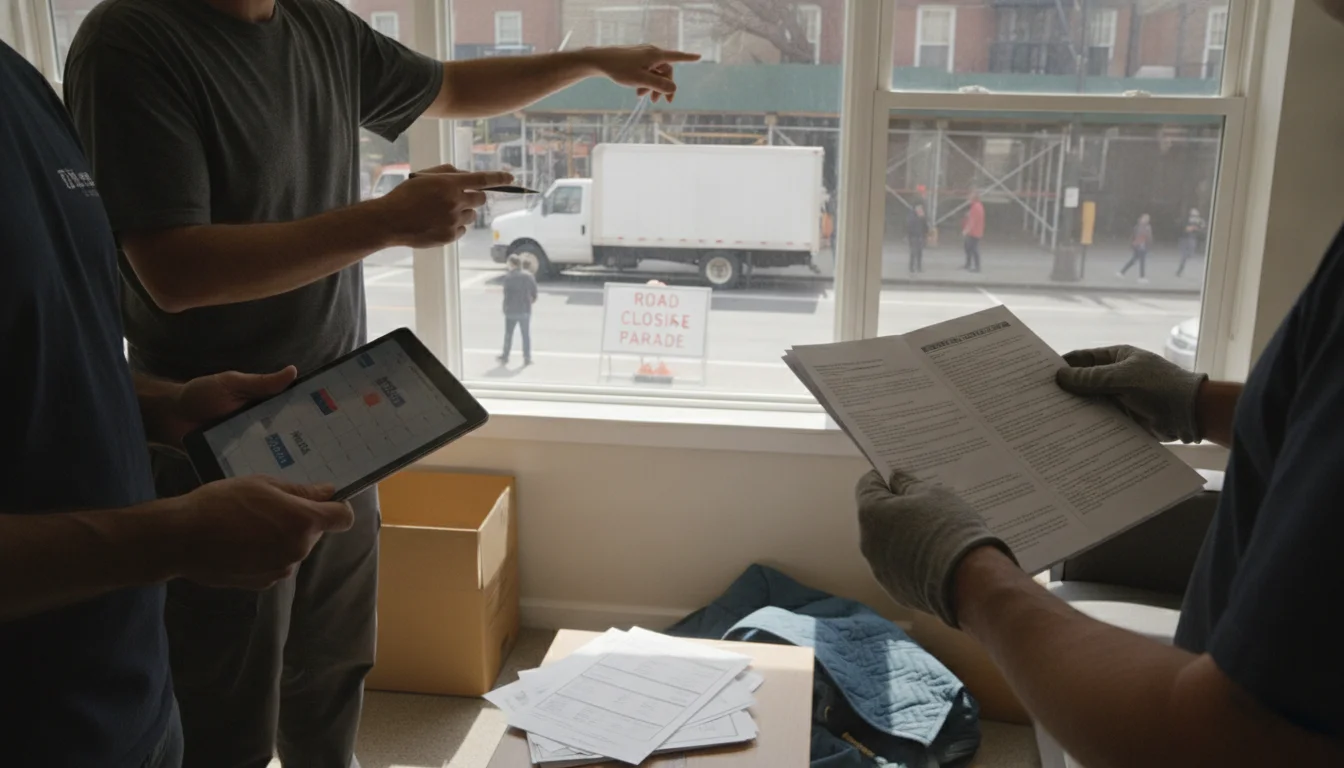
You’re staring at boxes and a to‑do list, wondering how much do movers cost and what your move will actually involve. The short answer: costs vary because movers price jobs based on volume, distance, access at both addresses, timing, and any special handling. When you share clear details about what you’re moving and the logistics at each location, your estimate lines up with real‑world time and labor so you can plan a realistic budget and schedule.
Key Takeaways
- Movers base quotes on volume, distance, access, timing, and special items.
- A thorough inventory and access notes help estimates reflect the real work.
- Local moves often use hourly structures; longer routes add linehaul planning.
- Seasonality and building rules in Appleton can affect timing and crew setup.
- Clear prep and service choices (packing, disassembly) keep the day efficient.
Table of Contents
- The short answer: what people mean by “how much do movers cost”
- Volume and inventory: how much you’re moving
- Distance and drive time: local vs. long-distance pricing
- Access and logistics at each address
- Timing and seasonality: when you move matters
- Special handling and add‑ons that change the quote
- Getting a firm quote and keeping costs under control
- Frequently Asked Questions
The short answer: what people mean by “how much do movers cost”
People ask this in many ways—by apartment size, number of rooms, or even by the kind of office they have. Pros can’t give a meaningful number without a few essentials. A moving quote is an estimate shaped by your load size, the route and drive time, access at both addresses, your date and time window, and any items that need special handling. Each factor influences hours, crew needs, and the truck configuration.
Here’s how it fits together. The team builds a room‑by‑room inventory, plans the safest path from door to truck, decides on protection for every item, and maps the drive with any stops. Each step translates into a time plan and materials list. That’s why two similar‑looking moves can differ once the details are known.
Use simple terms when you speak with a mover. Walk through each room aloud. List furniture and box counts. Share if there are stairs, tight hallways, elevator rules, or a long carry from parking. Call out pianos, safes, or treadmills. When movers hear this level of detail, your estimate mirrors the actual work.
How pros measure value for you
- Clear inventory means fewer surprises.
- Access details prevent delays.
- Packing choices shape time and crew size.
Quick note on local needs in Appleton
Appleton Movers works across Appleton every week and sees how building rules, parking, and timing shape a plan. Simple details up front keep move day calm.
Volume and inventory: how much you’re moving
The biggest driver is volume—the space your belongings take up in a truck. Movers also consider weight and item count. A complete inventory lists each piece by room and type, and boxes matter, too. Ten small boxes can be easier and faster than five oversized, overfilled ones. A clear list helps set the right crew, tools, and truck.
Movers often reference cubic footage, the three‑dimensional space taken by your items. Weight can matter for long routes and for elevators with posted limits. Item count reflects how many lifts and carries the crew will do. Together, these measures guide the plan and influence how long loading and unloading will take.
You can help by grouping like items. Keep boxes small to medium so they stack well. Label each box by room and note fragile pieces. Take photos of anything unique or high‑value. This prep makes the survey—and move day—smoother and safer.
Apartment Movers in Appleton, WI can help with tight spaces and careful packing. Furniture Movers in Appleton, WI are ideal when you have bulky sofas, sectionals, or large dressers. If you only need labor, Loading & Unloading Help saves time and reduces risk when you rent your own truck.
How pros measure size: cubic footage, weight, and item count
Cubic footage shows how much room your load needs. Weight matters for safe lifting, stairs, and elevator or truck rules. Item count shows how many pieces must be wrapped, carried, and placed. Together, they explain crew size and estimated hours.
Packing level and disassembly time that change the bill
Full packing means the crew brings materials and packs every item. Partial packing covers select rooms or fragile goods. Self‑packing takes time off the job but must be safe and tight. Disassembly for beds, tables, or gym gear adds setup time. Good prep reduces back‑and‑forth and protects your things.
Distance and drive time: local vs. long-distance pricing
Distance affects both planning and timing. Short local moves are commonly structured around hours needed for loading, travel between homes, and unloading. Longer trips add routing, fuel considerations, and rest rules for drivers. Traffic and tolls can shape the schedule, and weather or road work can alter plans on short notice. Solid movers monitor these issues and build a time window that matches your date.
Local jobs tend to be more flexible. You might opt for a smaller crew if you have time, or a larger one if you want a faster day. Long‑distance moves often use set crews and dedicated trucks to meet delivery windows. This can include storage‑in‑transit if your new place is not ready. Clear communication helps you know where your items are and when they will arrive.
Commercial & Office Movers in Appleton, WI plan for parking near docks and after‑hours work to limit downtime. Local Movers in Appleton, WI are a fit when you move across town and want a quick, careful day.
Local moves: hourly minimums, travel fees, and crew size
Local jobs often include a minimum time block. Travel to and from the base and between addresses counts. Crew size affects how quickly the work gets done. A larger crew can shorten the day while keeping handling safe. Share your timeline goals so the mover can suggest the right setup.
Long-distance: linehaul rates, fuel, tolls, and layovers
Long trips use linehaul pricing, which is the charge for the drive itself, based on your load and the distance. Fuel and tolls are mapped with the drive. Layovers happen when rules or timing require a stop. These add planning steps. Clear dates and a flexible delivery window can help set fair expectations and a smooth handoff.
Access and logistics at each address
Access can speed up or slow down a job. Stairs, long carries, and tight turns increase time per item. Elevators often need reservations in multi‑unit buildings. Parking rules may require permits or loading zones. If the truck cannot park close, crews plan for longer carries with dollies and extra pads. Each factor adds small time blocks that add up.
Talk through both addresses in detail. Share photos of entries and halls. Say where the truck can park and if there are gates or codes. Note if there are set move times. If the new place has fresh paint or floors, ask about extra floor protection. When movers know the scene, they bring the right gear and plan the loading and unloading order.
For apartments and condos, Apartment Movers in Appleton, WI handle elevator holds and dock schedules often. For homes on busy streets, Appleton Movers plans safe parking and traffic control options where allowed by local rules.
Stairs, elevator reservations, parking, and long carries
Stairs add lifts and reduce speed. Elevators need reservations and pads. Parking near the door is ideal. If not, plan for extra time. Long carries from truck to unit call for dollies, ramps, and extra hands. Good notice keeps the day smooth.
Building rules, COIs, time windows, and permits
Many buildings require a Certificate of Insurance (COI). Ask early and share the sample form. Some areas have strict time windows. Cities may require permits to park a truck. Your mover can guide you on who to call and how long approvals take. Early action avoids delays.
Timing and seasonality: when you move matters
Move dates affect demand. Weekends, the end of the month, and summer fill quickly because school calendars and lease cycles drive peaks. Morning starts often run steadier. Afternoon slots can get tight if an earlier job runs long. Flexibility can open better options; if you can shift a day or two, mention it.
Weather matters, too. Heat calls for more breaks. Snow or storms slow driving and walking. Movers plan for safety first, which can add time on tough days. Good teams update you as conditions change so you can adjust.
In Appleton area, building calendars and local events can affect traffic and access. Share any HOA rules and quiet hours that may apply. With a clear window, your crew can meet dock times and avoid conflicts.
Weekends, end-of-month, and summer demand surges
These dates see the most bookings. Crews and trucks are limited resources. Booking early helps secure the right slot. If you must move on these days, give full details so the quote matches the added planning and time.
Flexible dates, morning vs. afternoon slots, and off-peak options
If your dates float, say so. Morning starts are steady and give a helpful buffer. Afternoon starts can work for smaller jobs. Off‑peak weekdays may allow faster scheduling. Flexibility can help the mover assign the best crew for your needs.
Special handling and add‑ons that change the quote
Some items need extra care. A piano requires protection, cleared paths, and often a special board. A safe is heavy and may need additional gear and more people. Fitness equipment has awkward shapes and parts to remove. Art calls for padding and sometimes custom crates. Appliances may need water and gas lines capped and later reconnected by a pro. Each step adds time and skill.
Materials also matter. Shrink wrap, pads, tape, boxes, and wardrobe cartons all protect your items. Crating safeguards high‑value or fragile pieces. Storage can bridge gaps when move‑out and move‑in dates don’t align. Valuation coverage defines how claims are handled if something is damaged. This isn’t insurance in the formal sense; it’s a mover’s stated level of liability for your items.
Furniture Movers in Appleton, WI handle wrapping and door plans for large pieces. Commercial & Office Movers in Appleton, WI plan server moves, copiers, and conference tables with floor and wall protection.
Pianos, safes, fitness gear, art and appliance servicing
These items call for special teams and tools. Share make, model, and size when you can. Clear paths, measure doors, and plan turns. Ask if prep by a third‑party tech is needed for fitness gear or appliances. Good planning prevents damage and delays.
Packing materials, crating, storage, and valuation coverage
Materials and crating protect value. Storage adds handling steps and time. Valuation coverage sets limits and terms for claims. Ask your mover to explain options in plain words. Pick the level that matches your comfort and the nature of your items.
Getting a firm quote and keeping costs under control
A firm quote starts with a survey. An in‑home survey is a walk‑through with a pro. A virtual survey uses video to see each room. Both methods build a full list of items, access notes, and timing needs. Estimates can be structured in different ways. Some are based on time and materials. Others tie to weight and distance on longer moves. Your mover will explain which applies and why.
Prep can reduce time without risking damage. Pack tightly, but avoid overloading boxes. Keep hallways clear. Unplug and drain appliances as needed. Take down wall‑mounted TVs. Group small items so they move fast. Label each box. Keep pets safe and out of the path. Set up parking with the property or city if needed.
If you only need loading or unloading for a rental truck or container, Loading & Unloading Help can be a smart choice. For small office moves, Commercial & Office Movers in Appleton, WI focus on reducing downtime.
In‑home vs. virtual surveys and types of estimates
In‑home surveys let the pro see access and lifts in person. Virtual surveys are flexible and fast. Both work when you show each room and talk through rules. Estimate types vary by move. Ask what drives the number and what could change it.
Prep steps that reduce time without risking damage
Finish packing before move day. Disassemble simple items if you are able. Keep like items together. Protect floors and doorways as advised. Reserve elevators and loading zones. Share a clear plan for rooms at the new place. Small steps like these make a big difference.
Frequently Asked Questions
How do movers figure out the price for a home or apartment?
They look at volume, access, distance, timing, and any special items. A full inventory by room helps. Details like stairs, parking, and elevator rules matter. Movers then plan crew size, truck type, and expected hours. That plan becomes your written quote.
What changes the quote for a three‑bedroom house or larger home?
The number of rooms, big furniture, and outdoor items all add up. Stairs, long walks, or tight halls add time. The date and time slot can matter, too. If you need full packing, crating, or storage, those add steps. A survey makes the plan clear.
How are local moves different from longer trips across states?
Local jobs focus on hours for loading, drive time, and unloading. Longer trips add route planning, fuel, tolls, and delivery windows. Some long moves include storage‑in‑transit. The quote type may differ as well. Your mover will explain which method fits your route.
Do pianos, safes, or fitness machines change the price?
Yes. These pieces need extra tools, people, and planning. A piano may require a special board. A safe needs careful lifting and path checks. Fitness gear often needs parts removed. Share model and size so your mover can plan safe handling and time.
What is valuation coverage, and is it the same as insurance?
Valuation coverage is the mover’s stated level of liability for your items. It sets how claims are handled if damage occurs. It is not the same as an insurance policy. Ask your mover to explain options in simple terms so you can choose what fits.
Wrap‑up and next steps: A move can feel big, but a clear plan makes it manageable. Share a full inventory, access notes, and your dates. Ask how crew size and packing choices affect timing. Appleton Movers is ready to map your best path. Contact us.
Key takeaways
- Volume, distance, access, timing, and special items set your quote.
- Surveys (in‑home or virtual) make estimates match real life.
- Prep and clear details can reduce time and stress.
- Right‑sized crews and packing choices keep items safe and on schedule.
- Local rules in Appleton can shape parking, elevators, and timing.
For moves across the main Appleton area—from Erb Park and Old Third Ward to Kaukauna, Neenah, Hortonville, Sherwood, and nearby communities—Appleton Movers plans careful packing, smart loading, and safe transport so your things arrive on time and intact. Local moves, long hauls, and office shifts all benefit from a clear, simple plan that protects your day.
If you are not sure what will drive the cost of your move, it helps to talk it through before you book. Get in touch with Appleton Movers today and we will tell you where you stand.